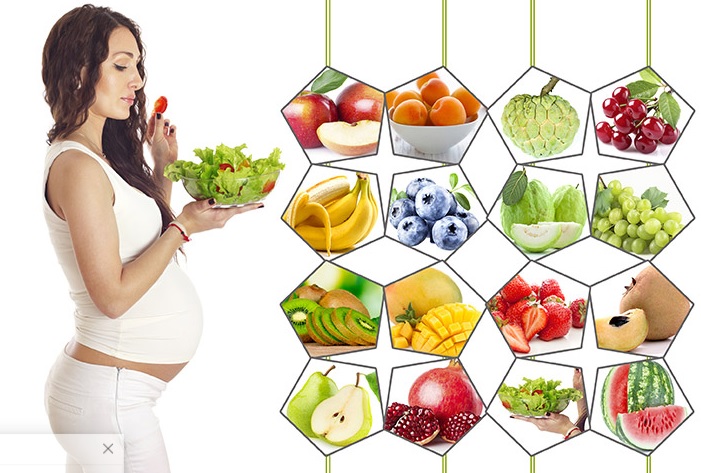
Food during pregnancy has a big impact on your health and on your baby’s development.
Right from the early weeks, making balanced food choices helps you keep up with your body’s changing nutritional needs.
It’s completely normal to wonder which foods are recommended and which ones are best avoided. Knowing the basics makes everyday choices a lot simpler.
In this article, you’ll find practical nutrition tips, foods that may ease nausea and options packed with essential nutrients.
Let’s go through the key points of food during pregnancy together!
How to Keep a Healthy and Balanced Diet
Keeping a healthy and balanced diet during pregnancy isn’t always easy, since your body is going through many hormonal and physical changes.
Even so, paying attention to food during pregnancy is a great way to get important nutrients for you and your growing baby.
Aim for a variety of foods from different groups, such as vegetables, legumes, fruits, whole grains and lean proteins. Fish, chicken, lean meat, eggs and tofu are all good sources of protein.

Omega-3 fatty acids also matter for your baby’s brain and eye development, and you can find them in walnuts, flaxseeds and chia seeds.
Calcium is another essential nutrient, so try adding dairy products, dark leafy greens and canned sardines to your meals.
It’s also a good idea to eat iron-rich foods, like poultry, fish, beans, lentils, spinach and fortified cereals.
At the same time, steer clear of potentially unsafe foods, such as raw meat, raw eggs, raw fish, unpasteurized cheeses and sausages, to lower the risk of contamination.
If you’re unsure about your diet, talk to a healthcare professional for guidance tailored to your individual needs.
What to Eat to Ease Nausea and Morning Sickness
Nausea and morning sickness are very common symptoms during pregnancy, especially in the first trimester.
Some women barely feel nauseous at all, while others need to make a few changes to their diet to feel more comfortable.

If you’re dealing with these symptoms, a few foods and simple strategies may help reduce the discomfort. Here are some options to consider:
- Light, easy-to-digest foods: Toast, crackers, rice and oatmeal are simple options that tend to be gentle on the stomach and may bring quick relief from nausea.
- Carbohydrate-rich foods: Complex carbs, such as whole grain bread, cereals, brown rice and pasta, may help keep blood sugar steady and prevent sudden nausea.
- Ginger: Many pregnant women find ginger helpful. Try ginger tea, candied ginger or gingerbread cookies.
- Peppermint: Peppermint is known for its soothing properties and can be enjoyed as tea, mints or chewing gum.
- Lemon: Lemon may help some women keep nausea under control. Add a few slices to water or tea, or smell a freshly cut lemon when you start feeling sick.
- Cold or frozen foods: Cold options like fruit sorbet, popsicles, frozen yogurt or chilled fruit can feel more appealing and help settle your stomach.
- Skip fatty, spicy or strong-smelling foods: These can make nausea worse, so choose lighter foods whenever you can.
- Eat smaller meals more often: Instead of three big meals, have smaller portions throughout the day. This helps keep your stomach from staying empty for too long.
- Don’t lie down right after eating: Try to stay sitting or standing for at least 30 minutes after a meal.
- Talk to a healthcare professional: If nausea or morning sickness becomes severe or doesn’t go away, seek medical advice. A professional can suggest the right approach for your situation.
What Are the Best Foods for Your Baby’s Development?
What you eat can contribute to your baby’s growth and development, which is why food during pregnancy deserves a place in your daily routine.
Picking foods that provide essential vitamins, minerals, protein and healthy fats helps you keep a varied diet.
To make things easier, here’s a list of foods that contain important nutrients for pregnancy and for your baby’s development:
- Eggs: Versatile and practical, eggs provide protein, iron and choline.
- Salmon: A great source of omega-3 fatty acids, which are important nutrients during pregnancy.
- Dark leafy greens: Spinach, kale and arugula provide folic acid, iron and calcium.
- Citrus fruits: Oranges, tangerines and lemons contain vitamin C, which helps your body absorb iron and supports the baby’s immune system.
- Legumes: Beans, lentils and chickpeas offer plant-based protein, iron, folic acid and fiber.
- Greek yogurt: Rich in calcium and protein, it can support the development of the baby’s bones and muscles.
- Lean meats: Chicken, turkey and lean beef provide high-quality protein, iron and zinc.
- Nuts and seeds: Almonds, walnuts, chia seeds and flaxseeds contain omega-3 fatty acids, protein, fiber and other essential nutrients.
- Sweet potato: A source of complex carbohydrates, vitamin A, vitamin C and fiber.
- Whole grains: Oats, quinoa, brown rice and buckwheat provide fiber, B vitamins, iron and other nutrients.
- Avocado: It contains healthy fats, folic acid, potassium and vitamin E, nutrients linked to the development of the baby’s brain, eyes and skin.
- Milk and dairy products: Milk, cheese and yogurt provide calcium, protein and other nutrients that fit well into a balanced diet.
Final Thoughts
Eating a varied diet is one of the best ways to meet your nutritional needs throughout pregnancy.
Paying attention to food during pregnancy also makes it easier to spot nutritious choices for your everyday meals.
Keep in mind that every pregnancy is unique, and nutritional needs can vary from one woman to another.
If you have questions about specific foods, dietary restrictions or nutritional requirements, talk to your doctor or a qualified healthcare professional.
With good information and professional guidance, you can feel more confident about your choices for food during pregnancy at this special stage of life.