
Think you might be pregnant? These are the first signs your body may be giving you
Maybe your period is a few days late, or you’ve been feeling “off” lately without quite knowing why. Whatever brought you here, it’s completely normal to have a lot of questions right now. The good news is that your body usually sends clear signals when a pregnancy begins, and knowing how to recognize them can make this moment a lot calmer.
In this article, we’ll walk through the most common early signs of pregnancy, how home tests work, what you can do to feel better in the first weeks and when it’s time to see a doctor.
So make yourself a cup of tea, get comfortable and let’s take it one step at a time.
How your body begins to change
As soon as a fertilized egg attaches to the uterus, your body starts making a hormone called hCG, along with higher levels of progesterone and estrogen. These hormones prepare everything for the baby, and they are also responsible for most of the symptoms you may notice in the first weeks.
Every woman is different: some feel almost everything, while others barely notice anything at first. That’s why it’s worth looking at the whole picture rather than focusing on a single symptom.
The most common early signs of pregnancy
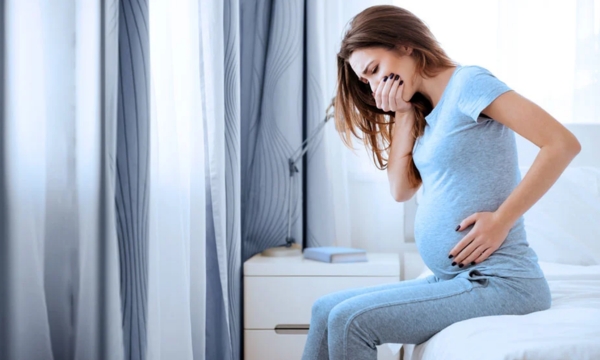
These are the signs women mention most often in the first weeks:
- Missed period: this is usually the first and most obvious sign, especially if your cycle is regular.
- Light spotting: some women notice a little pink or brown discharge around the time the egg implants, roughly 10 to 14 days after conception.
- Nausea: often called “morning sickness”, although it can show up at any time of day, and some women feel it from morning to night.
- Tender or swollen breasts: they may feel heavier and more sensitive, and the area around the nipples may become darker.
- Fatigue: feeling worn out even after a full night’s sleep is very common early on.
- Peeing more often: more blood flows to the kidneys and pelvis, so you may find yourself running to the bathroom more.
- Mood swings: feeling more emotional or irritable, or crying more easily than usual.
- Changes in taste and smell: cravings, suddenly disliking foods you used to love, or a much sharper sense of smell.
What happens to your belly in the first weeks
In early pregnancy the baby is still very small, so the belly doesn’t really “grow” yet. Even so, many women feel bloated or notice their jeans fitting a bit tighter. This is caused by progesterone, which slows down digestion and makes the body retain more fluid.
Mild cramps, much like period cramps, can also happen while the uterus adapts. As long as they stay mild and don’t come with heavy bleeding, they are usually nothing to worry about.
How home pregnancy tests work
A home test is the quickest and simplest way to find out. It detects hCG in your urine, and most tests give a result within a few minutes.
For a more reliable result:
- Wait until the first day of your missed period, when the test is most accurate.
- Use your first urine of the day, when hCG levels are at their highest.
- Follow the instructions on the box carefully, including the waiting time.
- If the result is negative and your period still hasn’t arrived, test again a few days later.
If the result is positive, a blood test requested by your doctor can confirm the pregnancy.
How to ease early pregnancy discomfort
Hormones also relax the muscle between the stomach and the esophagus, which is why heartburn is so common. A few simple habits can help with both heartburn and nausea:
- Have smaller meals more often instead of three large ones.
- Keep crackers or toast close by for when nausea strikes.
- Go easy on fried, greasy and very spicy foods.
- Wait at least an hour after eating before you lie down.
- Sip water throughout the day.
- Rest whenever you can. Your body is doing a lot of work.
Before taking any medication, even a simple antacid, check with your doctor to make sure it’s safe during pregnancy.
When to see a doctor
Once you get a positive test, schedule an appointment to begin prenatal care. These first visits help make sure you and the baby are healthy right from the start.
Seek medical help immediately if you notice any of the following:
- Severe belly pain, or pain on one side only;
- Heavy bleeding;
- High fever;
- Dizziness or fainting;
- Vomiting so frequent that you can’t keep fluids down.
Final thoughts
Early pregnancy signs vary a lot from one woman to another, and many of them can have other causes too. The best thing you can do is listen to your body, take a test at the right time and have a health professional by your side from the very beginning.
Whatever the result, be kind to yourself, give your emotions some room and remember: you don’t have to go through this alone.